Compare specialty loose leaf teas
Delve Into the Domain of Fair Trade Tea: Outstanding Brews That Enable Sustainable Practices
Fair Trade tea illustrates a balanced marriage of merit and ethics. Each cup offers a singular taste character while nurturing ethical agricultural methods. This approach not only betters the tea moment but also raises marginalized farmers. Recognizing its heritage and accreditation systems unearths additional significance of weight. As consumers become more deliberate about their options, the impact of Fair Trade tea moves further than taste. What supports the surface of these determinations?
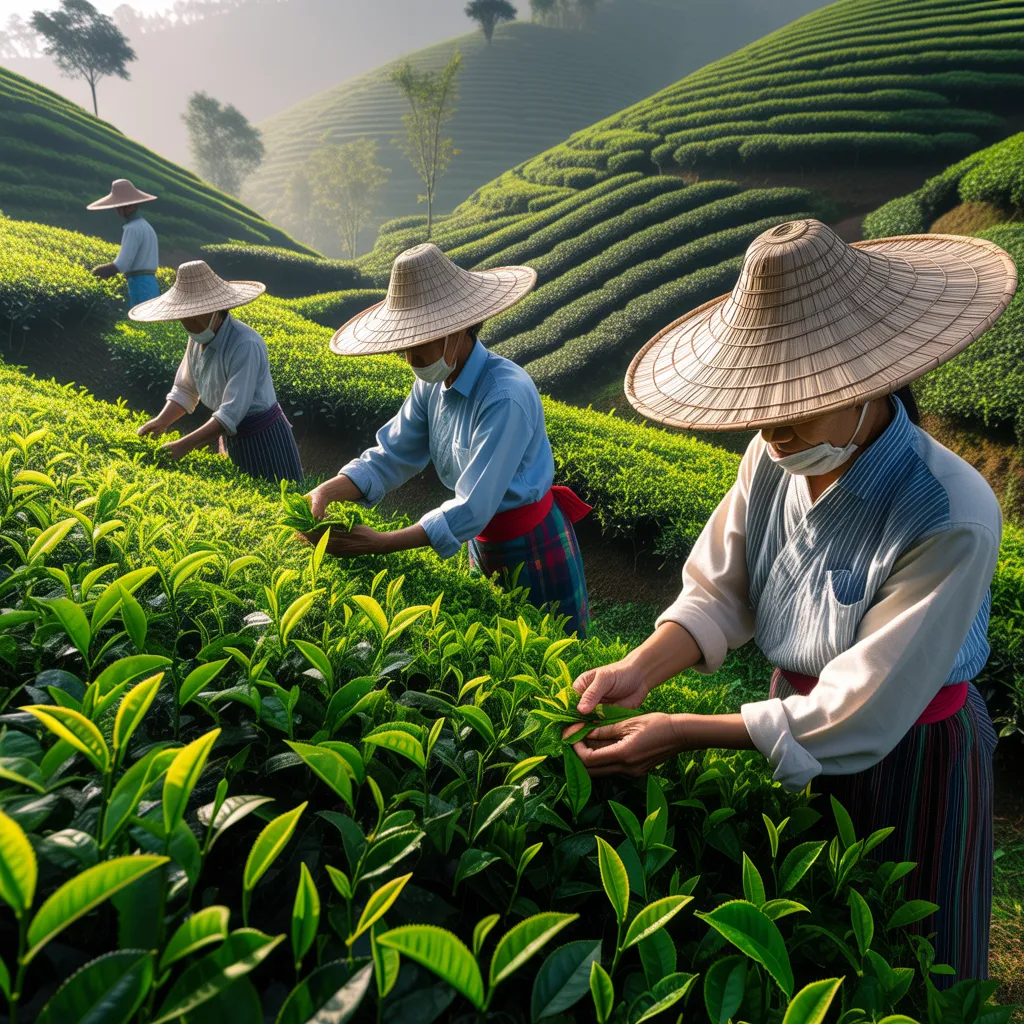
Discover the Origins of Fair Trade Tea
Fair Trade tea traces back to the social and economic movements designed to improve the living conditions of disadvantaged farmers. Beginning in the final decades of the 1900s, this program attempted to tackle disparities in international commerce, particularly in developing countries where tea is often cultivated. The initiative gained traction as shoppers became progressively aware of the difficult conditions faced by small-scale farmers, such as unfair pricing and exploitation by large corporations.
Using cooperative structures, Fair Trade aimed to strengthen these farmers, guaranteeing they received fair compensation and assistance for environmentally responsible agriculture. The movement also focused on promoting ecological stewardship, encouraging organic farming and biodiversity. As knowledge grew, Fair Trade tea became a symbol of ethical consumption, linking consumers directly with the origins of their beverages. By choosing Fair Trade tea, individuals contribute to a larger vision of social justice and economic equity, fostering a more sustainable future for tea-growing communities.
Learn about Fair Trade Certification for sustainable practices
Grasping Fair Trade certification is critical to recognizing how sustainable practices are sustained within the tea industry. This certification promises that producers receive fair wages and work under safe conditions, which directly helps community development. Fair Trade standards support environmentally sustainable farming methods, reducing the use of harmful chemicals and encouraging biodiversity.
Certification fosters transparency in the supply chain, allowing consumers to track their tea back to its origin. By following these standards, farms engage in methods that safeguard environmental assets and sustain local environments. Additionally, Fair Trade organizations often provide learning materials and training to agricultural producers, equipping them to enhance their farming techniques and financial security.
In the final analysis, Fair Trade certification elevates the quality of tea while aligning purchasing choices with principled and sustainable beliefs, establishing it as an essential aspect of the tea industry's commitment to societal responsibility and ecological stewardship.
Browse Leading Varieties of Fair Trade Tea
While many tea lovers enjoy the complex tastes and scents of different teas, investigating the top varieties of Fair Trade tea demonstrates a greater commitment to ethical sourcing and sustainability. Some popular options feature Fair Trade Assam, recognized for its bold, malty taste, and Fair Trade Darjeeling, often referred to as the "Champagne of teas" for its subtle flower-like characteristics. Another significant variety is Fair Trade Earl Grey, blended with bergamot, offering a distinctive citrusy flavor.
Moreover, Fair Trade Green Tea, lauded for its invigorating qualities and health benefits, is increasingly sought after among health-conscious consumers. Herbal blends, such as Fair Trade Chamomile and Peppermint, also distinguish themselves, supplying soothing and calming effects. Each of these varieties not only delivers exceptional flavor but also supports farmers and communities working for better livelihoods, making them a responsible choice for tea lovers seeking quality and ethical assurance.
Brewing Fair Trade Tea: Tips for a Perfect Cup
To brew the best cup of Fair Trade tea, careful attention is essential, since the right methods can bring out the tea's unique tastes and aromas. Initially, the quality of water is key; using filtered water delivers a crisp taste that allows the tea's characteristics to come through. The water temperature is also important; various tea types need specific temperatures; boiling water suits black tea and green or herbal teas are brewed cooler.
Subsequently, the brewing duration must be carefully followed. Excessive steeping can lead to bitterness, while insufficient steeping may not draw out the complete flavor spectrum. A standard recommendation is 3-5 minutes for black tea and 2-3 minutes for green tea.
Ultimately, using the appropriate tea-to-water ratio elevates the flavor; one teaspoon of loose tea per cup is a good starting point. By implementing these tips, tea aficionados can fully appreciate the rich offerings of Fair Trade tea.
Green Gains of Sustainable Tea
Brewing Fair Trade tea not only enhances the tea encounter but also backs eco-friendly farming methods that benefit the environment. Fair Trade accreditation encourages farmers to use natural cultivation techniques, which minimize the reliance on harmful pesticides and fertilizers. This method promotes species diversity, helping to preserve local ecosystems and protect wildlife habitats.
Furthermore, Fair Trade methods often highlight soil health and water conservation, ensuring that tea cultivation does not drain essential resources. By assisting small-scale farmers, Fair Trade also encourages agroforestry, which combines tea cultivation with other crops and trees, further boosting environmental resilience.
In addition, Fair Trade tea typically includes eco-conscious packaging and delivery systems, minimizing the carbon footprint tied to its delivery. All in all, choosing Fair Trade tea demonstrates a deliberate commitment to advance a more sustainable farming approach that honors both the planet and its people.

Your Tea Preference Supports Empower Global Communities
Opting for Fair Trade tea assists communities around the world by guaranteeing cultivators receive fair wages and better labor environments. This pledge additional info ensures that tea cultivators can preserve their sources of income while allocating funds to their households and regional markets. By choosing Fair Trade tea, buyers help fund crucial community services, including learning and health services.
Fair Trade accreditation encourages ethical practices, demanding businesses to follow guidelines that emphasize employee protections and ecological responsibility. As a result, farmers are motivated to grow high-quality tea, which not just enhances their earnings but also creates satisfaction in their work.
Additionally, the straight trade partnerships formed through Fair Trade eradicate exploitative middlemen, permitting farmers to interact with buyers worldwide. This transparency fosters trust and inspires a global appreciation for the cultural significance of tea. Ultimately, each cup of Fair Trade tea functions as a testament of the positive impact individuals can have on global communities through mindful consumption.
Commonly Inquired Questions
Where Can I Discover Fair Trade Tea Items and How Do I Verify Them in Stores?
To recognize ethically sourced tea items in stores, one should look for certified marks, such as Fair Trade Certified or Rainforest Alliance. Additionally, investigating companies committed to ethical sourcing can help with selecting quality products.
Are There Any Wellness Advantages Associated With Fair Trade Tea?
Fair trade tea may deliver various wellness benefits, containing antioxidants that support heart health, improved digestive health, and sharper mental clarity. In addition, sustainable sourcing practices facilitate green agriculture, helping advance a cleaner environment and community wellness.
Is it Easy to Locate Ethically Sourced Tea On Online Marketplaces?
Yes, fair trade tea is widely available in online marketplaces. Various companies present a extensive array of brands and blends, confirming consumers can readily purchase ethically sourced options that support both environmental stewardship and worker rights.
What Influence Does Fair Trade Tea Have in Regional Economic Development?
Fair trade tea benefits local economies by offering farmers equitable compensation, fostering community development, and promoting environmentally responsible agriculture. This assistance improves living standards, promotes economic stability, and empowers communities to invest in education and healthcare.
What Techniques Should I Utilize to Maintain Fair Trade Tea for Peak Freshness?
To increase freshness, fair trade tea should be kept in an airtight container, shielded from light, moisture, and strong odors. Storing it in a cool, dark place helps preserve its taste and scent over time.